
Author: Dr. Pooja Madaan
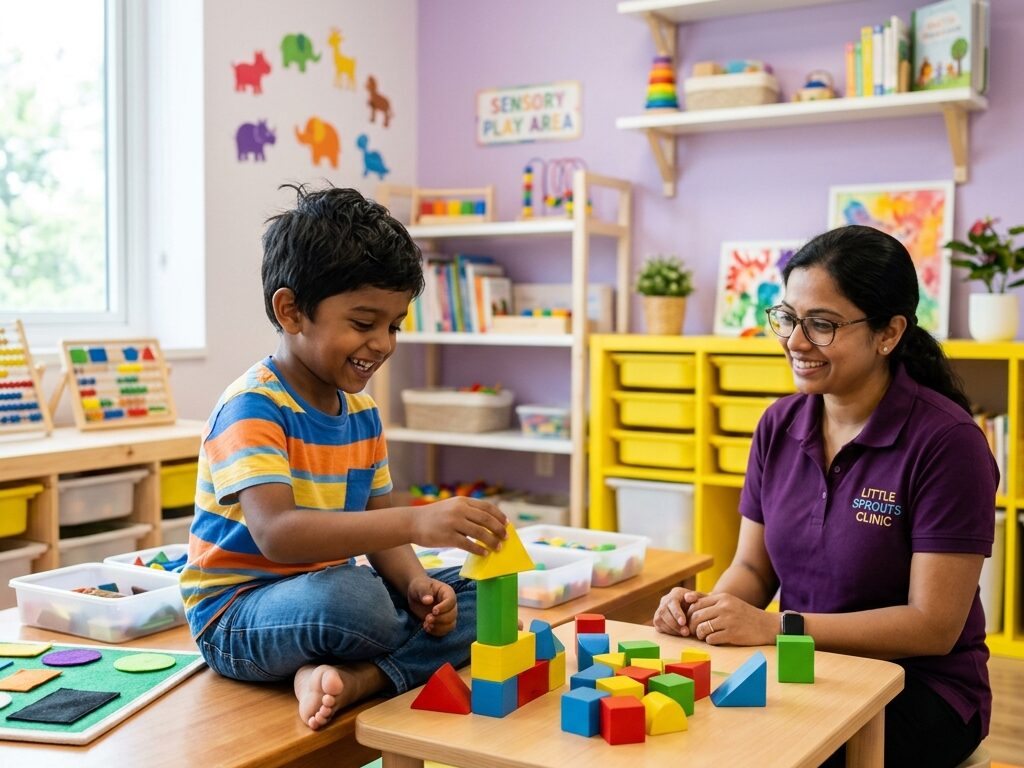
As parents, we are all familiar with the basic five senses: sight, sound, smell, taste, and touch. But did you know that when it comes to childhood development and Occupational Therapy (OT), we actually look at eight distinct sensory systems?
At Supasana, we frequently meet parents who notice their children either avoiding certain activities (like covering ears at loud noises) or constantly seeking them out (like spinning or jumping excessively). Understanding how your child processes sensory information is the first step toward helping them thrive both at home and in the classroom.
“Every child experiences the world differently. What feels like a gentle breeze to one child might feel like a storm to another. Our goal is to help them navigate their unique sensory landscape.”
Supasana
The 3 “Hidden” Senses You Should Know
While the first five senses are outward-facing, the remaining three are internal. They play a massive role in a child’s school readiness and emotional regulation:
- Proprioception (Body Awareness): Receptors in our muscles and joints tell our brain where our body parts are without having to look. Children with proprioceptive challenges might seem clumsy, bump into things, or use too much force when writing.
- Vestibular (Balance and Movement): Located in the inner ear, this sense tells us if we are moving, how fast, and in what direction. Children might struggle with swings, fear being tipped backward, or conversely, constantly crave spinning and swinging.
- Interoception (Internal Body States): This is how we feel what’s happening inside our bodies—like knowing when we are hungry, thirsty, or need to use the bathroom. Difficulty here can impact toilet training and emotional regulation.
Signs Your Child Might Benefit from an OT Evaluation
It’s completely normal for children to have sensory preferences. However, if these preferences begin to disrupt their daily life, learning, or family routines, it might be time to seek an expert opinion. Look out for:
- Extreme picky eating (avoiding specific textures entirely)
- Meltdowns during grooming tasks (hair brushing, nail clipping)
- Difficulty focusing in a busy classroom environment
- Constant need to jump, crash, or be tightly squeezed
How Supasana Can Help
Early intervention is key. Our Occupational Therapy team at Supasana creates a safe, playful environment where children can engage in specialized “Sensory Integration” activities. We don’t just treat the child; we empower parents with strategies and a customized sensory diet that fits right into your daily routine.
If you’re noticing any of these signs, don’t wait. A simple consultation can provide incredible clarity and a roadmap for your child’s success.